Universities’ Legal Obligations
in the Context of Trans Inclusion, Trans Equality, and ‘Gender Critical’ Activities on Campus
New Report on Universities’ Legal Obligations regarding Trans Inclusion and Freedom of Expression
In light of recent debates surrounding freedom of expression, trans inclusion, and ‘gender critical’ debates on university campuses, lawyers and academics at Garden Court Chambers and the University of Essex have prepared a new report: ‘Universities’ Legal Obligations in the Context of Trans Inclusion, Trans Equality, and ‘Gender Critical’ Activities on Campus’.
The report provides an accessible overview of how the law treats disputes on the limits of freedom of expression in a University, focusing in particular on issues relating to freedom of speech disputes in regards to trans inclusion, trans equality and ‘gender critical’ speech. The report explains how the law expects Universities to balance their obligations to protect expression and to safeguard their staff and students’ other rights. It is aimed at students, academic staff and other University staff, including but not limited to University management, Human Resources staff, and those involved in Equality, Diversity and Inclusion work.
The report addresses the overall legal framework, as well as scenarios relating to: (i) a campaign to rescind an invitation to speak at a university, and (ii) a campaign to warn/dismiss.
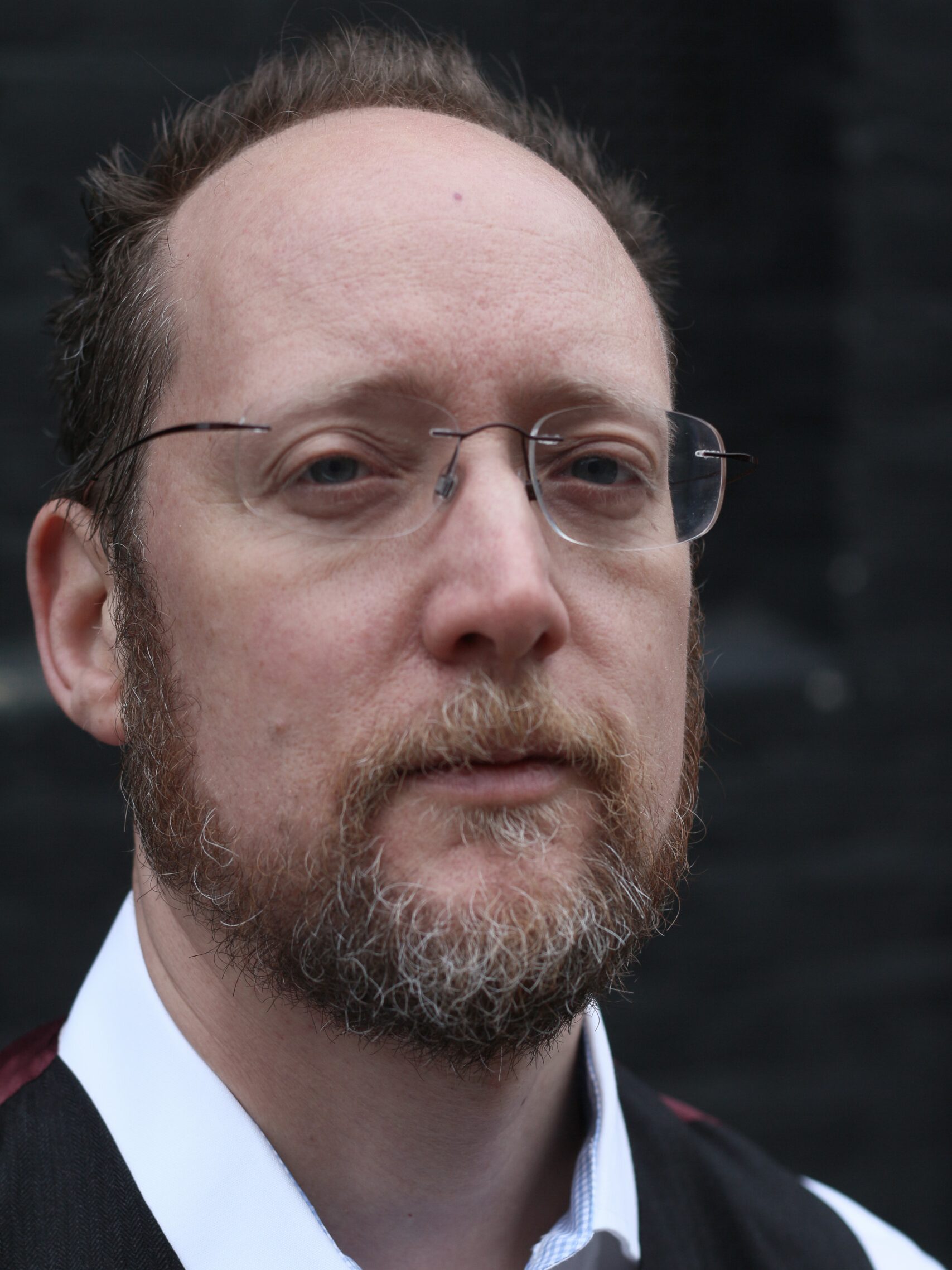
David Renton, a barrister on the employment law team at Garden Court Chambers, Professor of Practice at SOAS University of London School of Law, and the Report’s lead author:
“Many university administrators are fearful of disputes spinning out of control, but actually their legal duties are straightforward. They must promote freedom of expression but not to the point where it becomes an excuse for the harassment of trans staff and students.”

Dr. Daragh Murray, a Senior Lecturer at the Essex Law School & Human Rights Centre, University of Essex:
“Freedom of speech is an issue constantly referenced in the media and public debates. However, there is a significant degree of misunderstanding as to what this right actually entails. Importantly, freedom of expression does not protect a monologue. There is a right to speak and to protest that speech.”

Dr. Emily Jones, a Senior Lecturer at the the Essex Law School & Human Rights Centre, University of Essex:
“As a feminist legal academic and as someone who works in the field of human rights, I have long been concerned with the way the law treats vulnerable groups. While many academics focus on issues far from home, I believe it is important to also apply my expertise to the communities I am part of. This report thereby focuses on how universities, in line with the law, can balance the protection of ‘free speech’ alongside the need to protect all members of our university community.”
To contact the authors, please write to: academicfreedomUK@gmail.com
 Academic Freedom